Emma Sleep to pay $15 million in penalties for misleading sale price claims
- Lianne
- Jun 18
- 3 min read

The Federal Court has ordered Emma Sleep Pty Ltd and Emma Sleep Southeast Asia Inc to pay a total of $15 million in penalties after finding the companies made false or misleading representations about sale prices for mattresses, bed frames, pillows and accessories.
The ACCC alleged that Emma Sleep’s advertising created the impression that consumers needed to act quickly to take advantage of genuine, limited-time sales. However, some promotions were extended, repeated or replaced with similar offers, meaning consumers may have been misled about the urgency of making a purchase.
The ACCC also raised concerns that some advertised discounts were calculated from prices that did not represent the usual selling price of the products. This created the impression consumers were receiving significant discounts and that offers were available for a limited time only.
The conduct included:
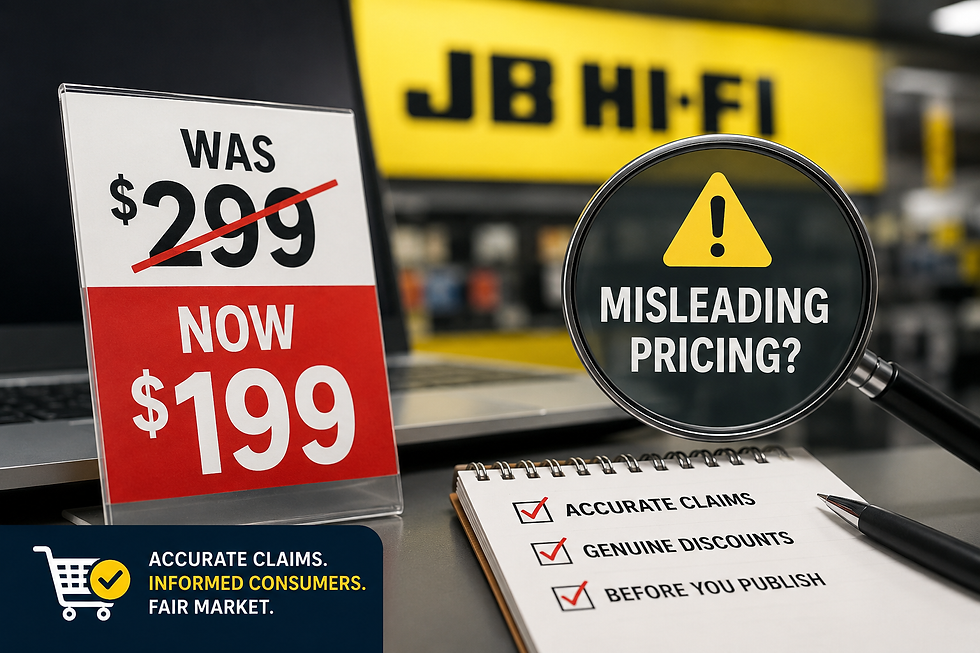
displaying higher “strike-through” prices that created the impression products had previously been sold at those prices;
promoting percentage discounts and savings claims based on those higher prices; and
using countdown timers and sale messaging that suggested promotions were ending soon, when this was not the case.
The ACCC noted the scale of the conduct was significant. During the relevant period, the Emma Sleep website was visited more than 4.9 million times, its social media posts received more than 10 million views, and the company sent emails to more than 4 million consumers and SMS messages to nearly half a million individuals containing the misleading sales representations.
Nearly every sale made by Emma Sleep during the relevant period was advertised with a savings representation, leading to more than $134 million in revenue and involving more than 243,000 individual products sold.
The significant penalty is an important reminder that promotional claims and sales tactics must accurately reflect the real offer available to consumers.
WHAT DOES THIS MEAN FOR ADVERTISERS AND PUBLISHERS?
This decision reinforces that advertising compliance is not limited to the words used in a promotion it includes the overall impression created by the advertising.
For advertisers, price promotions, discounts, urgency claims and limited time offers must be accurate, not misleading and capable of being substantiated.
For publishers, the focus is not on independently verifying an advertiser’s pricing strategy or sales history but recognising claims that may require additional consideration or confirmation before publication.
Publishers should pay particular attention to claims such as:
“Sale ends tonight”
“Limited time only”
countdown timers
“Hurry” or “Don’t miss out” messaging
“Save X%”
“Up to X% off”
strike-through pricing
claims suggesting scarcity or urgency
Where advertising creates pressure for consumers to act quickly or suggests they are receiving a special saving, consider whether the advertiser has confirmed that the claim reflects the actual offer.
Advertisers should carefully consider:
Urgency claims must be genuine
Claims suggesting an offer is only available for a short period of time should reflect the actual promotion.
Countdown timers, “ending soon” messages or similar urgency techniques may mislead consumers if the same or similar offer continues after the advertised deadline.
Savings claims must accurately reflect the consumer benefit
Discount claims should be based on a genuine comparison.
If consumers are told they are receiving a saving, the advertised discount should reflect a real saving compared with the usual selling price.
The overall impression matters
Advertisers should consider what a reasonable consumer would understand from the promotion.
Would they believe:
the sale is genuinely ending?
they need to act quickly to receive the advertised price?
they are receiving a special or temporary saving?
If the impression created does not reflect reality, the advertising may create risk under the Australian Consumer Law.
KEY TAKEAWAY
Before publishing promotions involving discounts, countdowns or urgency claims, consider:
“Does the advertising create a clear impression about the value or availability of the offer, and has the advertiser confirmed they can support that claim?”
Publishers are not expected to independently verify an advertiser’s pricing history, sales periods or promotional strategy. However, claims such as:
“limited time only”
“ending soon”
countdown timers
“biggest sale”
“Save X%”
strike-through prices
should be treated as objective claims that the advertiser must be able to support.
If a claim appears to create urgency, scarcity or a strong incentive for consumers to act immediately, consider seeking confirmation from the advertiser that appropriate substantiation is held. A promotion is not just about the price offered it is about the impression created about the value, availability and urgency of the offer.
PUBLISHER TAKEOUT
Publishers are not expected to verify an advertiser’s sales history or promotional strategy, but urgency and savings claims are objective advertising claims. If a promotion suggests consumers must act quickly or are receiving a special saving, consider checking that the advertiser holds appropriate support before publication.


Comments